
Why Time Alone Doesn't Heal Trauma
If you've ever been told, "Just give it time," you are not alone. It's one of the most common pieces of advice people receive after trauma, abuse, grief, or overwhelming stress. Most people mean well when they say it. Time can soften the sting of many painful experiences. But when it comes to trauma, time itself is not the treatment. As a trauma therapist, I sit across from women every week who are twenty, thirty, even fifty years removed from the thing that happened to them, and their nervous systems are still living inside it. They have careers, marriages, children, degrees, businesses, and lives they've worked incredibly hard to build. Yet their bodies still react as though the danger never actually ended.
Trauma Doesn't Heal Simply Because Time Passed

Trauma is different from ordinary memories because it is not stored the same way in the brain. When an experience overwhelms your nervous system, your brain may never fully process and file it away as something that belongs in the past. Instead, parts of that experience remain emotionally unfinished. That's why you can logically know you're safe while your heart races, your chest tightens, or your body prepares for danger over something that seems small. Your brain knows it's over. Your nervous system isn't so sure.
This is one of the biggest misconceptions about PTSD and Complex PTSD (CPTSD). People assume enough years should naturally erase the impact. They wonder why they're still anxious, why relationships feel so hard, why they overreact to conflict, or why they constantly feel like they're waiting for something bad to happen. They tell themselves they should be over it by now. But trauma doesn't expire simply because time has passed. If it hasn't been processed, your nervous system can continue responding as though the threat is still present, whether it happened five years ago or fifty.
Why Waiting Isn't a Treatment Plan
Many people spend years hoping things will eventually get better if they just keep moving forward. Others become incredibly successful and try to outwork their pain. I understand that strategy well because I spent years trying to achieve my way around difficult emotions. Achievement can absolutely build a beautiful life. It can create financial stability, confidence, opportunities, and purpose. What it cannot do is convince your nervous system that the danger has passed. Success doesn't process trauma any more than waiting does.
That's because trauma isn't simply an intellectual problem. You can know exactly why you struggle. You can identify your attachment style, understand your childhood, explain every relationship pattern, and recognize every trigger. Insight matters. But trauma lives deeper than your thinking brain. It also lives in your body, your emotions, your automatic survival responses, and your nervous system. This is why so many people tell me, "I know I'm safe, but my body doesn't believe me." That disconnect is incredibly common, especially for people living with childhood trauma or CPTSD.
How Trauma Therapy Helps Your Nervous System Heal
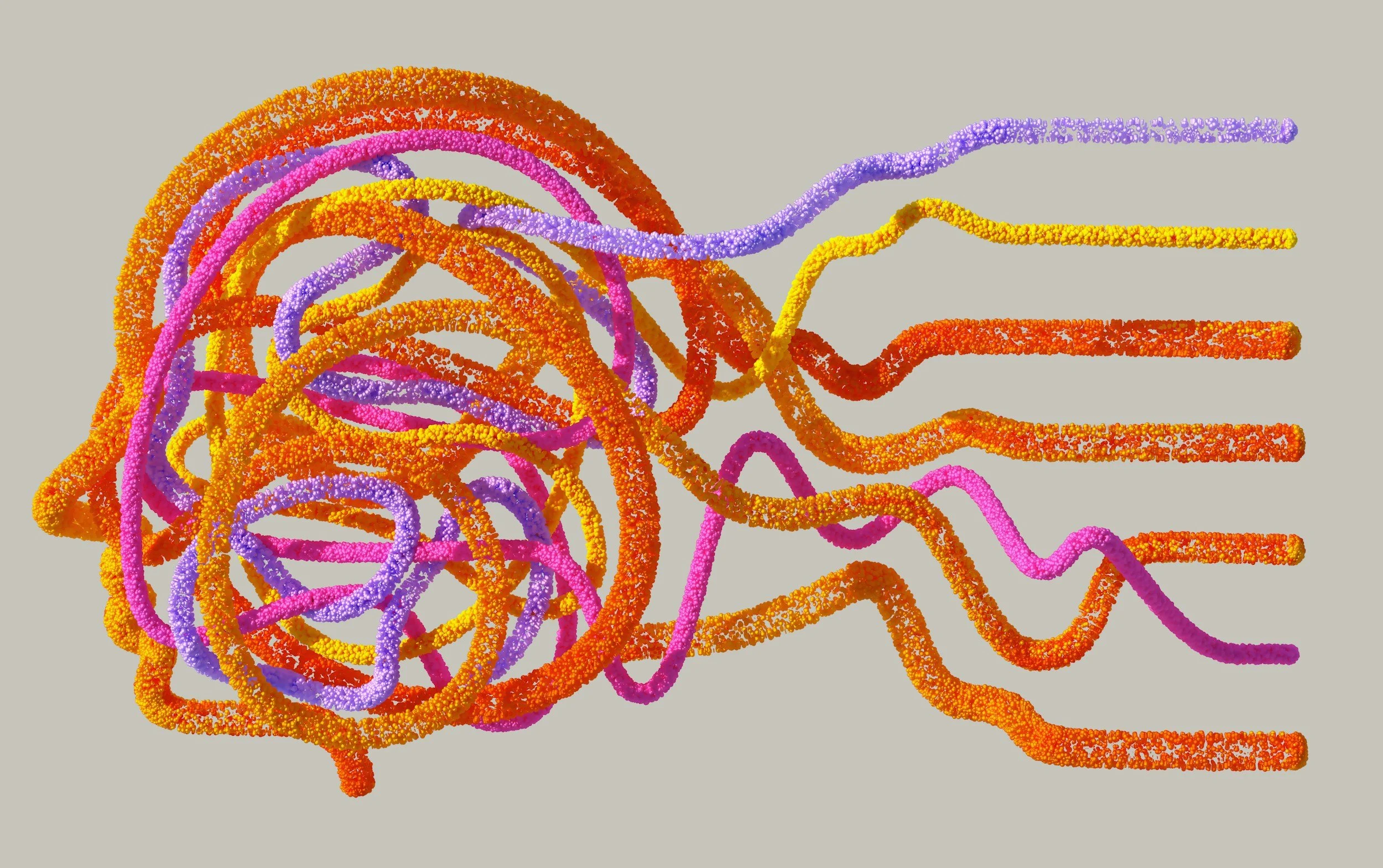
Processing is what changes that. Evidence based trauma therapies like EMDR therapy, somatic therapy, and parts work help your brain do something it couldn't do during the original experience. They help the nervous system finally recognize that the event is over. The goal isn't to erase your memories or pretend painful things never happened. The goal is for those memories to become something you remember instead of something you constantly relive. When trauma is processed, your nervous system no longer has to keep sounding an alarm for a danger that has already passed.
One of my favorite parts of being a trauma therapist is watching people discover that healing doesn't have an expiration date. I've watched women in their sixties process childhood trauma through EMDR and feel their bodies finally exhale. Not because they finally waited long enough, but because they finally processed what happened. The human brain remains capable of change throughout your entire life. Neuroplasticity allows your nervous system to create new pathways, build new experiences of safety, and respond differently than it did before. Your past may have shaped your nervous system, but it does not permanently define it.
It Is Never Too Late to Heal From Trauma
Real healing isn't about never feeling anxious again or never becoming dysregulated. Healthy nervous systems respond to life. Grief will activate them. Loss will activate them. Falling in love will activate them too. The goal isn't permanent calm. The goal is flexibility. It's developing a nervous system that can experience stress, recover from it, and return to a place of safety more quickly than before. That's resilience, and it's something that can absolutely be built.
If you've spent years wondering why you're still struggling despite how much time has passed, I hope you stop blaming yourself. Nothing is wrong with you because waiting didn't heal your trauma. Time was never the treatment. Processing is. Whether your trauma happened in childhood or decades ago, your nervous system is still capable of change. Late has never meant too late.
Trauma Therapy in Colorado and Pennsylvania

At Revive Therapy Services, we specialize in helping adults heal from trauma, PTSD, Complex PTSD, childhood trauma, attachment wounds, anxiety, and chronic stress through evidence based approaches including EMDR therapy, somatic therapy, and parts work. We provide online trauma therapy throughout Colorado and Pennsylvania, helping clients move beyond coping and finally address the root of what keeps them stuck. If you're ready to stop waiting and start healing, schedule a consultation today and let's build a treatment plan that actually addresses the source of your symptoms.
