
Why the Holidays Feel So Heavy (Even If Life Looks “Good”)

If you’ve ever entered December and suddenly felt more emotional, irritable, overwhelmed, exhausted, or disconnected — even though nothing “bad” is happening — you’re not alone. The holiday season is one of the most activating times of year for people with trauma histories, attachment wounds, or complicated family dynamics. And yet, this is the exact time most people start feeling ashamed of how they’re reacting.
You might hear yourself saying things like:
“My life is good, so why do I feel this way?”
“Everyone else seems fine. What’s wrong with me?”
“Why am I regressing? I thought I already worked through this.”
Here’s the truth:
You’re not failing. Your body is remembering.
Even if your adult life looks stable, healthy, or “better” than your past, your nervous system holds onto old patterns, sensations, and survival strategies. And during the holidays, those patterns get louder — not because you’re broken, but because certain sensory, emotional, and relational cues from this season overlap with cues from your past.
In other words: your body knows December.
Let’s break down why this time of year feels so heavy, and what can actually help.
Your Body Stores Seasonal Memory (Even When You Don’t)
You don’t need a catastrophic holiday story in your history for December to feel hard. Trauma is often about chronic emotional overwhelm, not dramatic events.
Many people grew up with:
unpredictable caregivers
tension simmering under the surface
pressure to keep the peace
emotional labor that exceeded their capacity
criticism, comparison, or “you’re too sensitive” messages
feeling invisible or responsible for everyone else’s feelings
The holidays often intensified those dynamics. More people. More chaos. More expectations. More masking. More pretending.
As adults, you might consciously know you’re safe now — maybe you even enjoy parts of the holiday season — but your nervous system still picks up on familiar cues: the cold weather, the decorations, the smells, certain family roles, certain expectations, the end-of-year intensity.
To your body, those cues can feel like echoes of old overwhelm.
And when the body senses a pattern it associates with past threat, it prepares you the same way it did when you were younger: bracing, shutting down, becoming hyperaware, dissociating, fawning, or over-functioning. This isn’t regression. It’s conditioning.
Why the Holidays Trigger Trauma Responses

1. Social Overload
December often demands more socializing, emotional labor, and togetherness — even with people who feel draining or triggering. For trauma survivors who constantly scan the environment for subtle shifts in tone or mood, this creates significant nervous system fatigue.
2. Old Family Roles Reactivate
Family systems are unbelievably powerful. Even if you’ve done years of healing, being around family can pull you back into roles like:
the caretaker
the responsible one
the quiet one
the emotionally attuned one
the peacekeeper
the listener, but never the one listened to
Your body remembers these roles before you consciously do.
3. The Pressure to “Be Okay”
Holidays come with unspoken rules:
Smile. Be grateful. Don’t ruin the vibe.
But when you’re struggling, this creates internal conflict:
“I’m not okay, but I feel like I’m supposed to be.”
That pressure alone can spike anxiety, shame, or shutdown.
4. Grief Gets Louder
This time of year highlights:
people you’ve lost
relationships that didn’t turn out how you hoped
childhoods you never got
the family you wish you had
breakups, distance, divorce, or disconnect
the version of you who was just trying to survive
Grief doesn’t need permission to show up — especially in December.
5. Less Sunlight, Less Movement, More Stress
Winter itself impacts the nervous system. Shorter days, less outdoor time, disrupted routines, and physical fatigue make emotional regulation harder.
All of these variables create the perfect storm where your system says:
“I need support. I’m overwhelmed. Slow down.”
How to Support Your Nervous System During the Holidays

Here are trauma-informed strategies to help you move through December with more gentleness and clarity.
1. Lower Your Expectations
You don’t need to “perform” holiday joy.
You don’t need to be cheerful for anyone’s comfort.
You don’t need to run at full capacity.
Give yourself permission to do less.
2. Build in Buffer Time
If you’re going to a gathering, give yourself space before and after.
If you’re traveling, schedule downtime.
Break up the intensity with moments of real rest.
3. Stay Grounded Through Your Senses
If you start to feel overwhelmed:
Look around and name five things you can see
Put both feet on the floor
Take a slow breath into your low belly
Touch something with texture (blanket, sweater, rug)
These micro-practices help bring your system back into the present moment.
4. Name What’s Really Happening
Try saying to yourself:
“This is old activation, not current danger.”
“My body is remembering something from the past.”
“I’m allowed to feel what I feel.”
Naming creates separation between you and the survival response.
5. Let Yourself Have Mixed Emotions
You’re allowed to feel grateful and exhausted.
Supported and lonely.
Excited and overwhelmed.
Two things can be true at the same time — and neither invalidates the other.
You Don’t Have to Navigate December Alone
If this season feels heavy, confusing, or activating, therapy can help you understand what your body is holding and learn tools to regulate in real time. At Revive Therapy Services, we specialize in working with people who have already tried therapy before — and are ready for something deeper.
Our trauma-informed therapists, Salima, Rosa, and Hannah, are here to walk with you through every step of the way. We offer free consultations to see if our approach feels right for you.
If you’re wanting guided support through the holidays — or you want to enter 2026 with a regulated, grounded foundation — you can book a free consultation below.
About Revive Therapy Services
At Revive Therapy Services, we help adults heal from trauma, PTSD, Complex PTSD, childhood trauma, attachment wounds, anxiety, and chronic stress through evidence-based, trauma-informed care. We offer online therapy throughout Pennsylvania and Colorado, as well as in-person therapy in Philadelphia and Colorado. Our services include:
EMDR Therapy: Helps reprocess distressing memories, core beliefs, and emotional patterns that continue to affect you in the present.
IFS (Internal Family Systems Therapy): Helps you understand and heal the different parts of yourself with greater self-compassion and inner connection.
Ketamine-Assisted Psychotherapy (KAP): Combines ketamine treatment with therapy to support deeper emotional processing and new perspectives.
Eating Disorder Treatment: Provides individualized support for binge eating, restriction, emotional eating, body image struggles, and other concerns around food and your body.
If you’re ready to stop simply coping and start addressing the root of what’s keeping you stuck, schedule a consultation today. We’d love to help you find an approach to therapy that fits your needs.
Craving the raw, unfiltered side of therapy conversations?
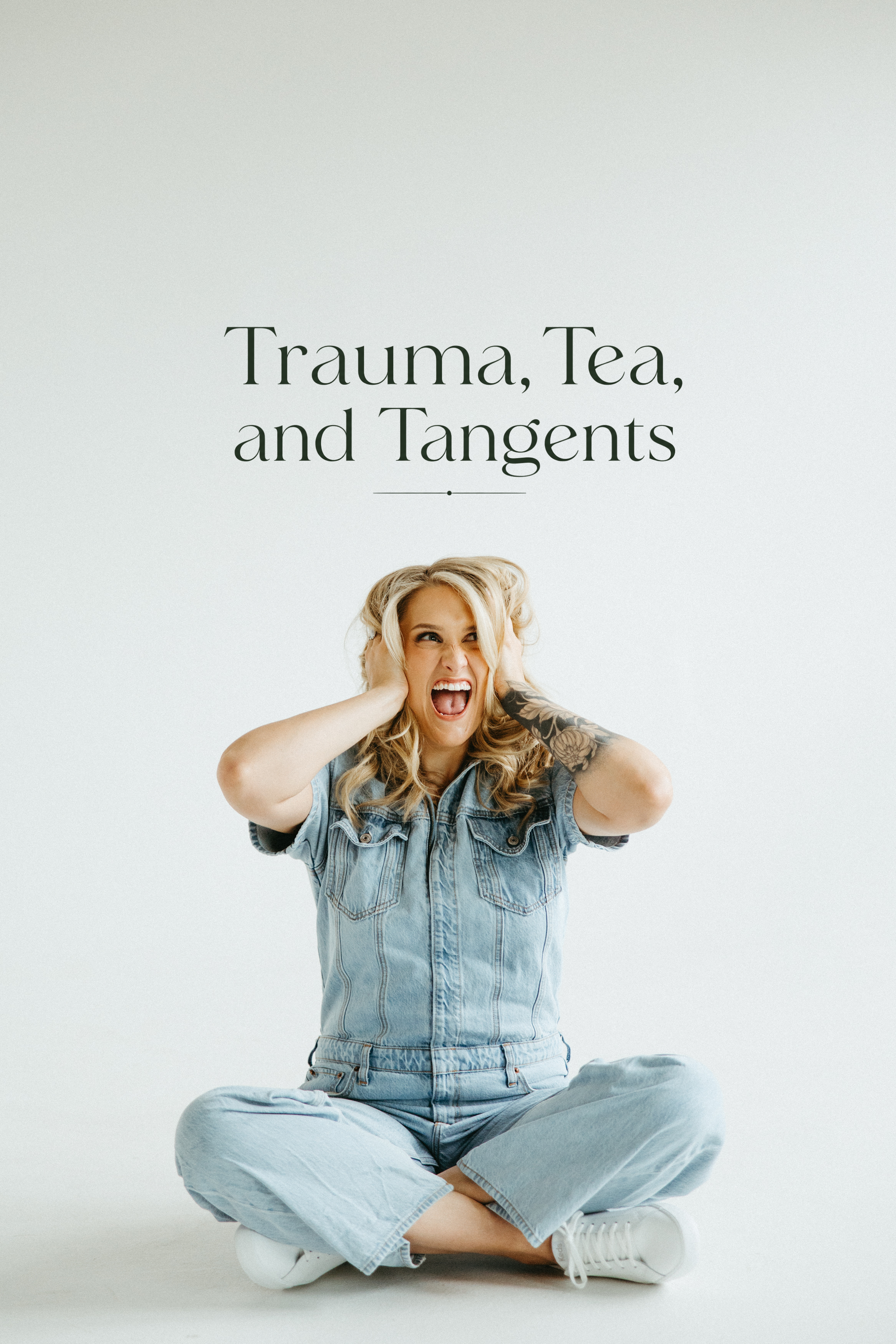
If today’s post resonated with you, I’d love to invite you to listen to my podcast Trauma, Tea, and Tangents! It’s a space for real talk about healing, resilience, trauma, and everything in between. Each episode blends trauma-informed perspectives with relatable conversations to remind you someone else is probably thinking what you are too! Available on all major platforms—just search for Trauma, Tea, and Tangents wherever you listen! Subscribe to my Substack for more authentic conversations about trauma, healing, and navigating life as a human. This is my unfiltered, behind-the-scenes content that you won’t find on here!
